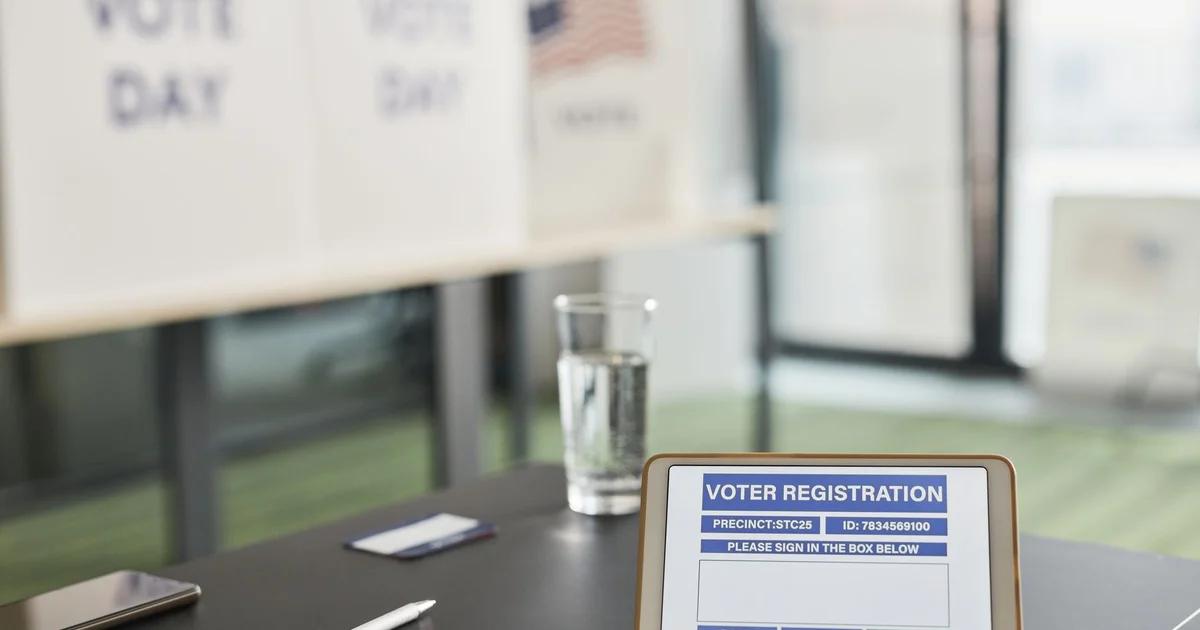
The Imperative of Digital Inclusion in Modern Elections
As the landscape of public administration shifts toward a digital-first model, the integrity of the democratic process rests on its accessibility. For election officials, ADA compliance in civic elections is not merely a legal checkbox but a fundamental requirement for the enfranchisement of voters with disabilities. When government agencies neglect web accessibility, they inadvertently create digital disenfranchisement, effectively barring millions of citizens from accessing vital election information, ballot instructions, and online registration portals.
Understanding the Legal Framework
Under Title II of the Americans with Disabilities Act (ADA), state and local governments must ensure that their services, programs, and activities are accessible to people with disabilities. While originally crafted for physical infrastructure, the Department of Justice has made it clear that this mandate extends to the digital realm. Public entities providing election services must ensure that their websites, mobile applications, and electronic poll books do not create discriminatory barriers.
'Accessibility is not a feature; it is a prerequisite for fair and open participation in civic life.'
Failure to adhere to these standards opens agencies to litigation and, more importantly, undermines the public trust that is essential for a functional democracy.
Applying WCAG 2.1 Standards
The Web Content Accessibility Guidelines (WCAG) 2.1 AA are the gold standard for achieving compliance. These guidelines focus on four core principles: Perceivable, Operable, Understandable, and Robust (POUR).
- Perceivable: Provide text alternatives for non-text content, such as alt text for images of sample ballots or audio descriptions for video voter guides.
- Operable: Ensure all functionality is available via a keyboard, as many users with mobility impairments rely on assistive technology.
- Understandable: Create content that is readable and predictable, avoiding complex navigation flows that confuse users with cognitive disabilities.
- Robust: Build platforms that work across various browsers, assistive technologies, and mobile devices.
Common Barriers in Election Portals
Many election websites struggle with common accessibility pitfalls that disproportionately affect users with disabilities. These include:
- Inaccessible PDFs: Election forms and sample ballots frequently posted as scanned images rather than tagged PDFs, making them invisible to screen readers.
- Lack of Keyboard Navigation: Users who cannot use a mouse often find themselves trapped in non-navigable drop-down menus or overlays.
- Low Color Contrast: Text that does not meet contrast ratios makes it nearly impossible for voters with visual impairments to read polling location data or registration deadlines.
- Dynamic Content Issues: Pop-up alerts regarding voting changes that do not announce themselves to screen reader software.
The Role of Inclusive Design in Civic Tech
Inclusive design is a methodology that considers the diversity of human abilities from the very beginning of the development cycle. In the context of civic tech, this means involving people with disabilities in the user testing phase. When developers build with an empathy-first approach, they discover that accessible design benefits all users—for example, high-contrast text is easier to read on a smartphone screen in bright sunlight at a polling station.
Implementing a Compliance Roadmap
Agencies must adopt a long-term strategy for ADA compliance that goes beyond temporary patches. This involves several critical steps:
- Comprehensive Audits: Conduct a full audit of all digital assets, including third-party plugins and vendor-provided portals.
- Vendor Accountability: Require all third-party software vendors to provide a Voluntary Product Accessibility Template (VPAT) to verify their compliance.
- Staff Training: Educate web editors and content managers on how to upload accessible media and write screen-reader-friendly content.
- Automated and Manual Testing: Use automated tools for quick scans, but supplement them with manual user testing conducted by individuals with disabilities.
Mitigating Legal Risk and Building Trust
Beyond the ethical necessity, the financial risk of non-compliance is significant. Settlements in web accessibility cases against public entities have become increasingly common. By being proactive, agencies save taxpayer dollars that would otherwise be spent on legal fees and emergency remediation. Moreover, an accessible website signals to the constituency that the election office is dedicated to serving everyone equally.
Future-Proofing Civic Elections
Technology in elections will only continue to evolve, with emerging trends like blockchain-based identity verification and biometric scanning. Each of these new technologies must be evaluated through the lens of accessibility. As we integrate more AI into public services, there is a risk that accessibility will be sidelined for novelty. It is the duty of election officials to demand that new innovations prioritize accessibility from the design stage forward.
Ultimately, digital accessibility is about the human right to participate in governance. Every pixel, line of code, and navigation menu represents an opportunity to either include or exclude a voter. By prioritizing ADA compliance, civic institutions can ensure that the tools of democracy are as robust and inclusive as the people they represent.