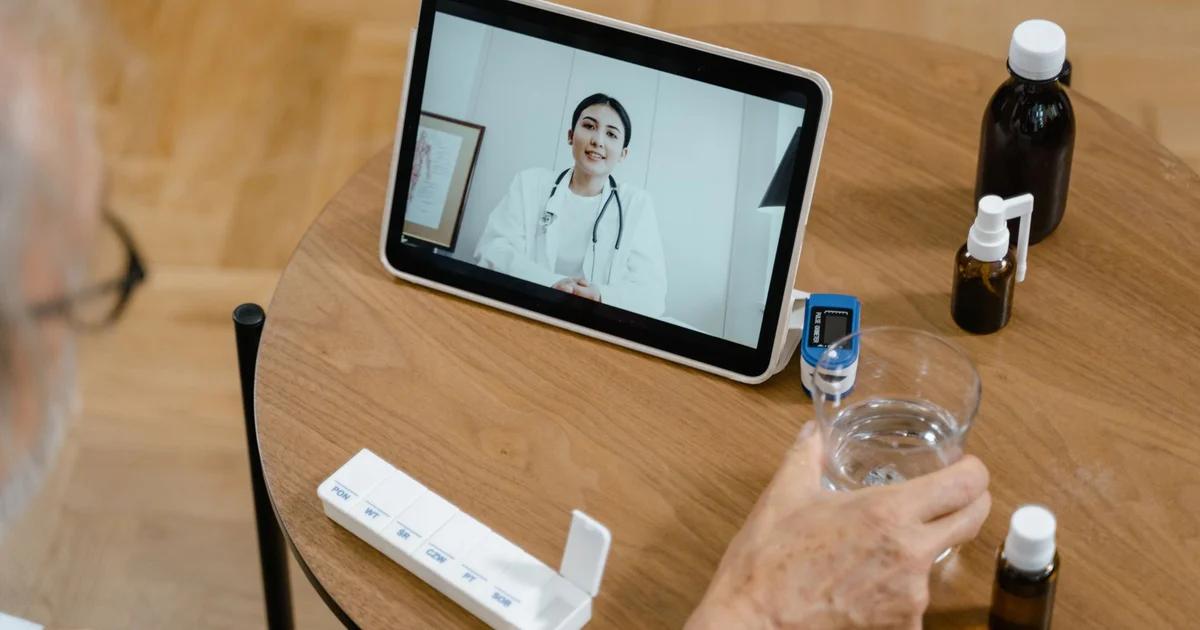
The Imperative of Inclusive Digital Healthcare
As public health systems increasingly rely on remote care delivery, the intersection of GovTech and health equity has reached a critical juncture. For municipal and state health departments, providing remote services is no longer a luxury; it is a mandate. However, the rapid deployment of these digital tools often overlooks a fundamental pillar of public service: ADA compliance in civic telehealth. Under ADA Title II, public entities are strictly required to ensure that their digital programs, services, and activities are accessible to individuals with disabilities. Failing to bridge this digital divide does not only risk federal litigation but fundamentally undermines the mission of public health.
Understanding the Legal Landscape
The Department of Justice has made it abundantly clear that digital platforms—including patient portals, virtual consultation interfaces, and health record systems—fall under the regulatory umbrella of the Americans with Disabilities Act. Public sector organizations must move beyond the 'check-the-box' mentality. Compliance is not merely a legal defense strategy; it is an exercise in equitable governance. When a telehealth platform lacks screen-reader compatibility or fails to provide adequate color contrast, it effectively disenfranchises a significant portion of the constituency that the agency is pledged to serve.
Accessibility is the baseline for public service. If your telehealth platform cannot be navigated by a screen reader or keyboard, you are functionally closing your doors to citizens with disabilities.
The Technical Pillars of Accessible Telehealth
To achieve true compliance, developers and procurement officers must look toward the Web Content Accessibility Guidelines (WCAG) 2.1 AA as the gold standard. While Section 508 focuses on federal procurement, Title II compliance necessitates a broader commitment to usability.
- Keyboard Operability: Every interactive element in your telehealth interface must be navigable via a keyboard, ensuring users with motor impairments can book appointments and view records without a mouse.
- Alternative Text and Metadata: Every image, icon, and chart used in the patient portal requires descriptive alt-text to ensure that visually impaired users understand the content of the clinical interface.
- Captions and Transcripts: For asynchronous telehealth videos or educational content, closed captioning is not optional. It is essential for users with hearing impairments.
- Cognitive Load Reduction: Complex forms and time-sensitive tasks can present barriers for neurodivergent populations. Clear, consistent layouts are vital.
Procurement Strategies for Government Leaders
When contracting with telehealth vendors, public sector leaders often fall into the trap of accepting vendor claims of 'compliance' at face value. A high-authority approach requires deeper vetting. Request a Voluntary Product Accessibility Template (VPAT) for any software solution being considered. Use this document as a starting point, but verify it through independent audits or accessibility testing platforms.
Furthermore, build accessibility requirements into the Request for Proposal (RFP) language. If a vendor cannot demonstrate a roadmap for continuous accessibility testing—including usability testing with actual users who have disabilities—they are likely ill-equipped to support a long-term civic telehealth project.
The ROI of Inclusive Design
Critics often argue that accessibility requirements increase development costs and slow down innovation. This is a short-sighted perspective. Inclusive design patterns actually enhance the user experience for everyone. A telehealth portal that is easy to navigate for a user with limited vision is almost always easier to navigate for an elderly user or someone in a low-bandwidth environment. By prioritizing WCAG standards, agencies often find that their total cost of ownership decreases due to fewer help-desk requests and higher platform adoption rates.
Developing a Culture of Accessibility
Compliance is a process, not a destination. As telehealth technologies evolve, so too will the ways in which users interact with them. Integrating accessibility into the DevOps lifecycle—shifting left—means that accessibility testing happens during the design phase rather than as an afterthought.
- Establish an internal accessibility task force.
- Regularly conduct audits using both automated scanning tools and manual user testing.
- Provide training for UI/UX teams on the nuances of accessible web architecture.
- Create feedback loops where users with disabilities can report accessibility barriers directly to the IT or health department leadership.
By embedding these practices into the operational fabric of civic tech, agencies can ensure that they are not just compliant, but truly inclusive. The future of public health depends on the accessibility of the digital front door. It is the responsibility of every civic tech leader to ensure that door is open for everyone, regardless of their physical or sensory abilities.