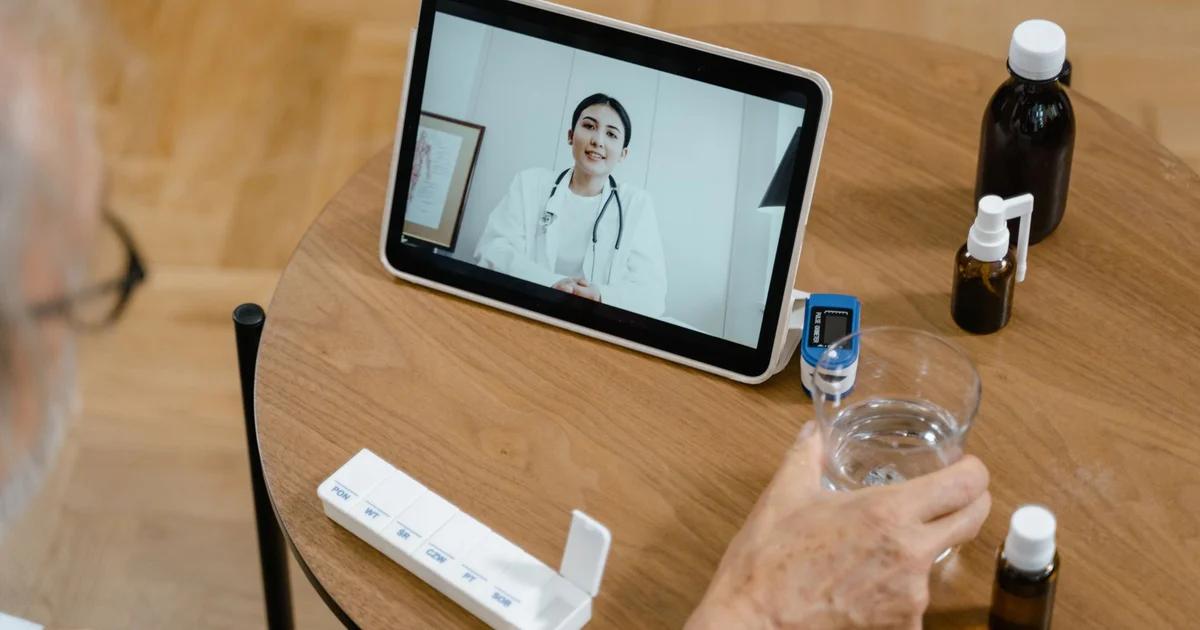
Bridging the Digital Divide in Public Health
As telehealth becomes a cornerstone of public healthcare delivery, government agencies face a critical imperative: ensuring these digital services are accessible to all citizens, including those with disabilities. Under the Americans with Disabilities Act (ADA) Title II, state and local government entities have a legal and ethical responsibility to provide equal access to programs and services. When these programs move to a digital or remote format, the mandate for inclusivity does not diminish—it scales.
The Legal Framework of ADA Title II
ADA Title II applies specifically to public entities. It stipulates that individuals with disabilities must have an equal opportunity to participate in and benefit from the services, programs, and activities provided by the government. In the context of telehealth, this means that every step of the patient journey—from scheduling an appointment to participating in a video consultation—must be usable by everyone, regardless of their visual, auditory, cognitive, or motor impairments.
'Digital accessibility is not just a regulatory hurdle; it is a fundamental aspect of equitable public health strategy.'
Why WCAG Matters for Telehealth
Most federal and state mandates now align with the Web Content Accessibility Guidelines (WCAG) 2.1 Level AA. Adopting these standards ensures that your platform is:
- Perceivable: Information and user interface components must be presentable to users in ways they can perceive.
- Operable: User interface components and navigation must be manageable.
- Understandable: Information and the operation of the user interface must be clear.
- Robust: Content must be robust enough to be interpreted reliably by a wide variety of user agents, including assistive technologies.
Key Areas for Telehealth Compliance
Ensuring compliance requires a comprehensive review of your technology stack. Focus on these critical areas:
1. Video Conferencing Accessibility: Ensure that your telehealth platform supports closed captioning, provides clear audio, and remains compatible with screen readers. If a participant cannot see or hear the provider clearly, the service is not accessible.
2. Forms and Documentation: Many telehealth workflows involve digital intake forms. If these forms are PDFs or complex web modules, they must be screen-reader friendly and keyboard-navigable. Users should not be required to use a mouse to navigate critical healthcare documentation.
3. Authentication and Security: Accessibility features often clash with security measures like CAPTCHAs. Use accessible alternatives such as time-based codes or multi-factor authentication methods that do not rely on visual pattern recognition.
Implementation Strategies for Agencies
Moving toward compliance is a multi-disciplinary effort. Start by establishing an accessibility task force. This team should include representatives from IT, legal, healthcare providers, and—crucially—individuals with disabilities. Their feedback will provide insights that automated testing tools often miss.
- Conduct an Accessibility Audit: Use both automated scanners and manual testing by individuals who rely on assistive technology.
- Prioritize User Experience (UX): Simple, clean interfaces with high color contrast benefit all users, not just those with disabilities.
- Provide Robust Documentation: Clearly explain how users can request accommodations if the digital system proves insufficient for their specific needs.
The Consequences of Non-Compliance
Beyond the ethical argument, the consequences of failing to meet ADA standards are significant. Lawsuits against government entities for digital inaccessibility are on the rise. Settlements often include mandates to overhaul entire systems, pay legal fees, and undergo years of government oversight. More importantly, non-compliant telehealth platforms act as a barrier to care, directly negatively impacting the health of the most vulnerable populations in your jurisdiction.
Future-Proofing Digital Public Health
Technology evolves rapidly. A platform that is compliant today may be outdated tomorrow as new features are added. Build accessibility into your CI/CD (Continuous Integration/Continuous Deployment) pipeline. By making accessibility checks a mandatory part of the deployment process, you ensure that no new update degrades the user experience for citizens with disabilities.
In conclusion, ADA compliance for public telehealth is an ongoing commitment to equity. By prioritizing WCAG standards and centering the needs of users with disabilities, government agencies can build a future where healthcare is truly available to everyone, regardless of their physical or cognitive abilities.