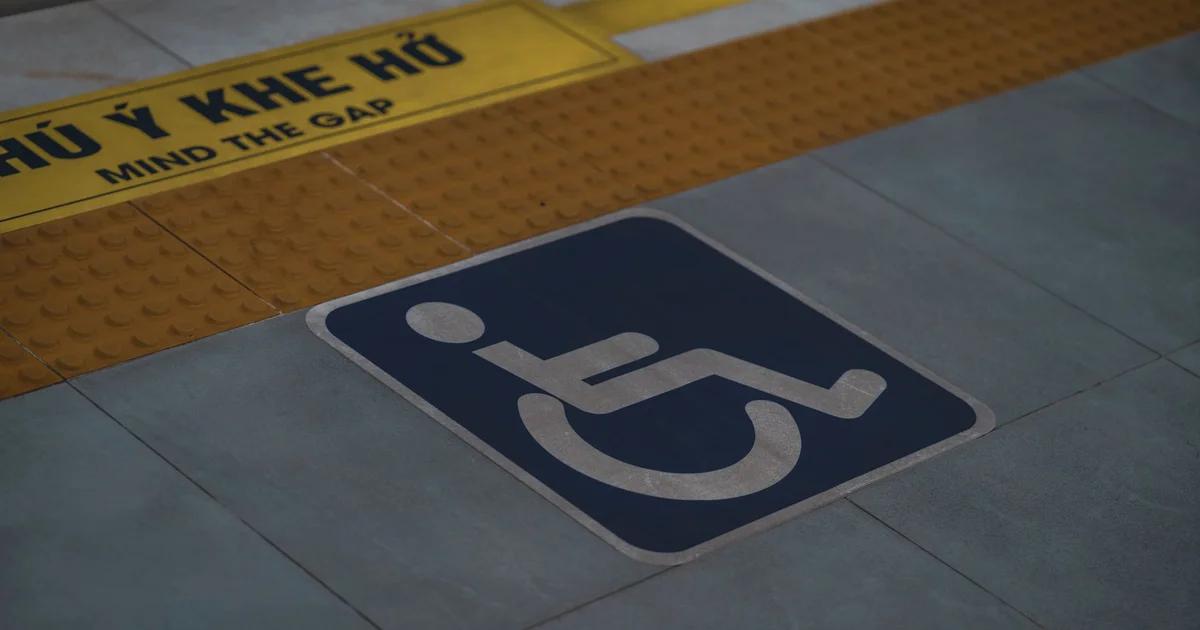
The Impending Shift in Higher Education Accessibility
The landscape of higher education is constantly evolving, driven by technological advancements, pedagogical innovations, and an ever-increasing demand for equitable access. As we approach 2026, a significant shift is on the horizon for colleges and universities across the globe: the reinforcement and expansion of digital accessibility standards. These forthcoming 'Higher Ed's 2026 Standards' are not merely regulatory hurdles; they represent a fundamental commitment to inclusive education, ensuring that every student, faculty member, and administrator can fully engage with digital resources, regardless of ability. For institutions, this isn't a matter of 'if' but 'when' and 'how' they will adapt.
The clock is ticking, and proactive engagement with these standards is paramount. Waiting until the eleventh hour poses substantial risks, from legal challenges and reputational damage to the alienating exclusion of valuable members of the academic community. This comprehensive guide delves into the specifics of the 2026 Standards, outlining their implications, the technical requirements, and a strategic roadmap for institutions to not only comply but to truly excel in creating a universally accessible digital environment.
Understanding the Regulatory Underpinnings of the 2026 Standards
The 2026 Standards for higher education accessibility are not emerging in a vacuum. They build upon a robust foundation of existing legal frameworks and international guidelines designed to protect the rights of individuals with disabilities. Key among these are:
- Americans with Disabilities Act (ADA) Title II: While not specific to digital accessibility, the ADA prohibits discrimination against individuals with disabilities in all services, programs, and activities provided by state and local government entities, including public universities. Courts have increasingly interpreted the ADA to apply to website and digital content accessibility.
- Section 504 and 508 of the Rehabilitation Act: Section 504 mandates that programs receiving federal financial assistance be accessible to people with disabilities. Section 508, specifically, requires federal agencies' electronic and information technology to be accessible to people with disabilities. While primarily for federal agencies, its influence extends to higher education, particularly for institutions receiving federal funding or contracting with federal entities.
- Web Content Accessibility Guidelines (WCAG): Developed by the World Wide Web Consortium (W3C), WCAG is the international gold standard for web accessibility. The 2026 Standards will heavily lean on the latest iteration, WCAG 2.2, which introduces new success criteria to further enhance user experience for a wider range of disabilities. This includes cognitive, learning, and motor disabilities, in addition to visual and auditory impairments.
These interconnected regulations and guidelines form the bedrock of the 2026 push. Institutions must understand that compliance is not just about avoiding litigation; it's about fulfilling moral and ethical obligations to provide an equitable educational experience for all.
Why Now? The Imperative for Enhanced Digital Accessibility
The intensified focus on digital accessibility for higher education by 2026 is driven by several critical factors:
- Increased Reliance on Digital Platforms: The COVID-19 pandemic accelerated the shift to online learning and digital administrative processes, making accessible digital resources an absolute necessity, not merely a convenience. Universities now operate predominantly in a hybrid or fully digital modality.
- Growing Awareness and Advocacy: Disability rights advocacy groups and legal precedents are increasingly holding institutions accountable for inaccessible digital content. Students and their families are more informed about their rights and are prepared to pursue legal action when barriers exist.
- Technological Advancements: As digital tools become more sophisticated, so too do the expectations for their accessibility. Developers now have more resources and best practices at their disposal to build inclusive experiences from the ground up.
- Demographic Shifts: A significant portion of the student population identifies with some form of disability, visible or invisible. Providing accessible resources ensures that a larger, more diverse talent pool can access and succeed in higher education.
It's clear: the need for robust digital accessibility is no longer a niche concern but a mainstream requirement for modern higher education.
The Impact Zones: Where the 2026 Standards Will Be Felt Most
The reach of the 2026 Standards is comprehensive, affecting virtually every digital touchpoint within a university's ecosystem. Institutions must conduct a thorough audit to identify all areas requiring attention. Key impact zones include:
- University Websites and Web Applications: This encompasses the main institutional website, departmental sites, admissions portals, student information systems, alumni networks, and any other web-based platform. All navigation, content, forms, and interactive elements must be accessible.
- Learning Management Systems (LMS) and Digital Course Materials: Platforms like Canvas, Moodle, Blackboard, and D2L, along with all uploaded documents (PDFs, Word docs), presentations (PowerPoints), video lectures, and online assignments, must meet accessibility criteria. This is arguably the most critical area given its direct impact on student learning.
- Library Resources and Databases: Online journals, e-books, research databases, digital archives, and discovery tools provided by university libraries must be accessible, ensuring that all students can conduct research effectively.
- Internal Administrative Systems: Human resources portals, financial systems, event registration platforms, and internal communication tools used by faculty and staff also fall under the accessibility mandate. An inclusive workplace extends to digital tools.
- Third-Party Vendor Solutions: A significant challenge lies with software and services procured from external vendors. Universities must ensure that any third-party tools – from video conferencing platforms to specialized academic software – are compliant with the 2026 Standards. Procurement processes will need to evolve to prioritize accessibility.
- Mobile Applications: University-developed or endorsed mobile apps for campus navigation, student services, or event management must adhere to accessibility guidelines for mobile interfaces.
Diving Deep into WCAG 2.2: The Technical Baseline
The heart of the 2026 Standards lies in the adoption of WCAG 2.2 Level AA. WCAG is structured around four core principles, often remembered by the acronym POUR:
- Perceivable: Information and user interface components must be presentable to users in ways they can perceive.
- Operable: User interface components and navigation must be operable.
- Understandable: Information and the operation of user interface must be understandable.
- Robust: Content must be robust enough that it can be interpreted reliably by a wide variety of user agents, including assistive technologies.
WCAG 2.2 builds upon WCAG 2.1 by adding new success criteria that address emerging needs, particularly for users with cognitive, learning, and motor disabilities, as well as those using mobile devices. Some notable additions in WCAG 2.2 (Level AA) include:
- 2.5.7 Dragging Movements (AA): Users must not be required to use dragging movements for any functionality unless the dragging path is not essential or an accessible alternative is provided.
- 2.5.8 Target Size (Minimum) (AA): The size of target components should be at least 24 by 24 CSS pixels, or an equivalent area, with certain exceptions. This improves usability for users with motor impairments or those interacting via touch.
- 3.3.7 Redundant Entry (A): For processes where users are required to re-enter information, the previously entered information is either automatically populated or available for the user to select.
- 3.3.8 Accessible Authentication (Minimum) (AA): Provides minimum accessibility requirements for authentication methods, ensuring that users with cognitive disabilities can complete login processes without undue burden.
Understanding these specific criteria is vital for technical teams, content creators, and accessibility specialists responsible for implementing the standards. It's no longer sufficient to just 'look accessible'; the underlying code, structure, and user experience must genuinely be inclusive.
'Digital accessibility is not a feature; it's a fundamental right that unlocks educational potential for everyone. The 2026 Standards are a clear mandate for equity in higher education.'
Benefits Beyond Compliance: A Strategic Advantage
While compliance is a primary driver, embracing the 2026 Standards offers numerous benefits that extend far beyond simply avoiding legal penalties. These include:
- Enhanced User Experience for All: Accessible design principles often lead to cleaner, more intuitive, and user-friendly interfaces for everyone, not just those with disabilities. Improved navigation, clear content, and flexible interfaces benefit the entire student body.
- Wider Reach and Inclusivity: By removing digital barriers, institutions can attract and retain a more diverse student population, including individuals with disabilities who might otherwise be deterred. This enriches the campus community and fosters a reputation for inclusivity.
- Improved SEO and Searchability: Many accessibility best practices, such as semantic HTML, proper heading structures, alternative text for images, and clear language, also contribute positively to search engine optimization (SEO), making university content more discoverable.
- Innovation and Forward-Thinking Reputation: Institutions that proactively adopt and champion digital accessibility are seen as leaders in educational innovation and social responsibility. This enhances their brand and attracts top talent, both academic and administrative.
- Reduced Long-Term Costs: While initial investment in remediation can be substantial, designing for accessibility from the outset reduces the need for costly retrofits and legal defense down the line. It's a 'build it right the first time' approach.
- Ethical and Moral Imperative: Fundamentally, providing accessible education is the right thing to do. It aligns with the core values of higher education: enlightenment, equity, and opportunity for all.
The Perils of Non-Compliance: Risks Institutions Cannot Afford
Ignoring or delaying adherence to the 2026 Standards carries significant risks that can severely impact an institution's finances, reputation, and educational mission:
- Legal Action and Settlements: Non-compliance frequently leads to lawsuits under the ADA or Section 504, resulting in substantial legal fees, large settlement payouts, and court-mandated accessibility overhauls. These can run into millions of dollars.
- Office for Civil Rights (OCR) Investigations: The U.S. Department of Education's OCR actively investigates complaints of inaccessible technology in higher education, often leading to comprehensive resolution agreements that dictate stringent remediation timelines and reporting requirements.
- Reputational Damage: News of accessibility lawsuits or inaccessibility issues can severely tarnish an institution's public image, making it less attractive to prospective students, faculty, and donors. This can impact enrollment and funding.
- Exclusion of Students: Most critically, inaccessible digital environments exclude students with disabilities from fully participating in their education, hindering their academic success and personal growth. This goes against the very mission of higher education.
- Loss of Federal Funding: In extreme cases of persistent non-compliance with Section 504, institutions could risk losing federal financial assistance, a catastrophic outcome for many universities.
The costs of non-compliance far outweigh the investment in proactive accessibility. Institutions must view the 2026 Standards as an urgent call to action.
A Strategic Roadmap for Implementation: Phased Approach
Achieving full compliance with the 2026 Standards requires a strategic, multi-faceted approach. Here's a suggested roadmap:
Phase 1: Assessment and Audit (Current State Analysis)
- Establish an Accessibility Task Force: Assemble a diverse team including IT, instructional designers, faculty, legal counsel, and disability services representatives.
- Conduct a Comprehensive Digital Audit: Utilize automated tools and manual testing (including assistive technology users) to evaluate all digital assets against WCAG 2.2 AA criteria. Prioritize high-traffic and mission-critical systems.
- Review Procurement Policies: Analyze existing vendor contracts and procurement procedures to identify gaps in accessibility requirements.
- Student and Faculty Feedback: Gather input from users with disabilities to understand real-world pain points and priorities.
- Develop an Accessibility Baseline Report: Document current status, identified deficiencies, and a preliminary risk assessment.
Phase 2: Policy and Governance (Laying the Groundwork)
- Formulate an Institutional Accessibility Policy: Clearly define roles, responsibilities, standards (WCAG 2.2 AA), and commitment to digital accessibility.
- Allocate Budget and Resources: Secure dedicated funding for remediation efforts, staff training, and ongoing maintenance.
- Update Procurement Guidelines: Implement clauses requiring vendors to certify WCAG 2.2 AA compliance for all new and renewed contracts.
- Establish a Centralized Accessibility Office/Point of Contact: Create a clear pathway for reporting issues and seeking support.
Phase 3: Remediation and Development (Actionable Solutions)
- Prioritize Remediation Efforts: Address critical issues first, focusing on high-impact, high-visibility, or legally vulnerable areas.
- Redesign and Redevelop: Implement accessible design principles into all new digital content and platform development from the outset (shift-left approach).
- Content Remediation: Systematically review and update existing documents, multimedia, and web pages to meet WCAG 2.2 AA standards. This includes adding captions to videos, alternative text to images, and ensuring proper document structure.
- LMS Content Overhaul: Provide tools and training for faculty to create and remediate course materials within the LMS environment.
Phase 4: Training and Culture Shift (Empowering the Community)
- Comprehensive Training Programs: Implement ongoing training for all stakeholders:
- Content Creators (Faculty, Staff): How to create accessible documents, presentations, and web content.
- Web Developers/IT Staff: WCAG 2.2 technical implementation, testing methodologies, and accessible coding practices.
- Instructional Designers: Integrating accessibility into course design and multimedia production.
- Administrators/Leadership: Understanding the legal and ethical implications, fostering an inclusive culture.
- Foster a Culture of Accessibility: Integrate accessibility into the institutional mission, values, and performance evaluations. Promote it as a shared responsibility.
Phase 5: Continuous Monitoring and Maintenance (Sustained Excellence)
- Regular Audits and Testing: Implement a schedule for periodic accessibility audits and user testing to ensure ongoing compliance.
- Feedback Mechanisms: Maintain clear channels for users to report accessibility barriers and ensure timely resolution.
- Stay Updated: Monitor changes in accessibility standards, assistive technologies, and legal interpretations. Accessibility is an ongoing journey, not a one-time project.
- Leverage Accessibility Tools: Utilize automated checkers, manual testing tools, and accessibility overlay solutions (with caution and expert guidance) to aid in continuous monitoring.
The Critical Role of Leadership
Successful implementation of the 2026 Standards hinges on strong leadership buy-in and commitment from the very top. Presidents, provosts, deans, and senior administrators must champion accessibility as a core institutional value. This involves:
- Visible Endorsement: Publicly articulating a commitment to digital accessibility.
- Resource Allocation: Ensuring adequate financial and human resources are dedicated to accessibility initiatives.
- Policy Enforcement: Supporting the enforcement of accessibility policies across all departments.
- Accountability: Establishing clear accountability for accessibility goals and outcomes.
Without this top-down support, initiatives can falter, and the institution risks falling behind.
Conclusion: An Opportunity for True Inclusion
The 2026 Standards for higher education accessibility represent a pivotal moment. They challenge institutions to move beyond minimal compliance and embrace a philosophy of inclusive design that benefits everyone. While the task may seem daunting, viewing it as an opportunity – an opportunity to innovate, to enhance reputation, and most importantly, to provide an equitable and enriching educational experience for all students – transforms a regulatory burden into a strategic advantage.
Proactive planning, strategic investment, and a cultural shift towards universal design are not optional but essential for future-proofing higher education. Institutions that embrace these standards will not only avoid legal pitfalls but will also solidify their position as leaders committed to educational equity and excellence in the digital age. The future of higher education is accessible, and the time to build that future is now. Engage with the 2026 Standards not as a deadline, but as a commitment to a better, more inclusive academic world.